
Key Takeaways
In Cherry Hill, NJ, plasma donation represents an essential aspect of healthcare. It strengthens community resilience by making vital therapies accessible for a host of medical conditions.
Each plasma donation has the potential to save the lives of up to three patients. This illustrates just how important local contributions are for fulfilling the demand for plasma-derived treatments.
The donation process features comprehensive screening to ensure donor safety, followed by a donor-friendly experience that typically spans 60-90 minutes, recovery included.
Donors not only contribute; they also enjoy personal benefits, such as regular health screenings and the emotional satisfaction that comes from participating in lifesaving efforts.
Remarkably, over 80% of patients dealing with conditions like hemophilia depend on donated plasma, showcasing its profound impact on their health and overall well-being.
ABO Plasma in Cherry Hill creates an inviting setting with flexible scheduling options and opportunities to connect with fellow donors, which enriches the overall donation experience.
Moreover, fostering a community of donors through local initiatives encourages deeper connections and motivations, amplifying the positive effects of plasma donation endeavors.
The Urgent Need for Plasma Donation in Cherry Hill
Why Local Donations Matter for Community Health
In the vibrant community of Cherry Hill, NJ, plasma donation serves as a key pillar of healthcare. An ever-increasing number of patients rely on plasma-derived therapies, making local donations more pressing than ever. This isn’t just about supporting individual patients; it’s about strengthening the overall health and resilience of the community. Local donations ensure that necessary treatments are readily available for numerous medical conditions, spanning rare diseases, traumatic injuries, and burn treatments.
The statistics underscore the importance of plasma donations. Each donation can potentially save three lives. In a diverse area like Cherry Hill, where medical facilities cater to a broad population, the urgency for accessible plasma cannot be overstated.
Community health thrives when residents band together. Experts emphasize that when individuals engage in plasma donation, they kickstart a vital cycle of care. Local contributions build trust between donors and healthcare providers, creating a supportive network that benefits both community members and the healthcare system.
Understanding the Plasma Donation Process: From Start to Finish
To those unfamiliar, the plasma donation process might seem intimidating, but grasping it eases common concerns. It starts with a screening procedure. This includes health evaluations and questionnaire sessions, which typically take about 30 minutes. This critical step safeguards both the donor and recipient. Adequate screening allows centers like ABO Plasma to uphold high safety standards.
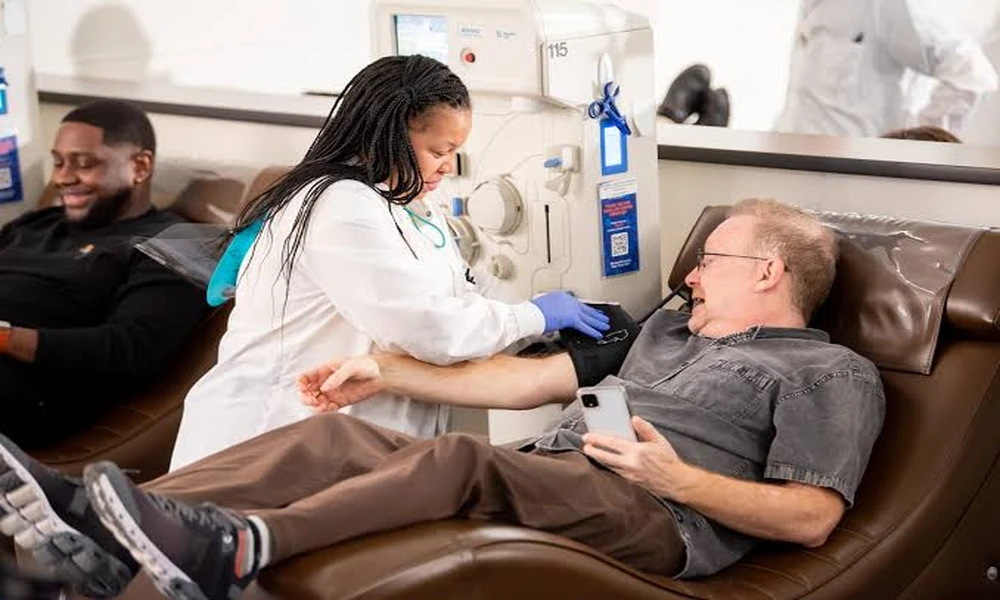
Once cleared, the actual donation begins. Donors usually recline comfortably while blood is drawn through a specialized needle. Contrary to some misconceptions, it’s less invasive than many expect. The plasma is filtered from other components and collected. After about 60-90 minutes, including recovery, donors are done. The efficient yet considerate procedures provide individuals the chance to contribute without extensive time commitments.
Patients reap substantial benefits from this careful process. The emphasis on safety and efficiency not only satisfies demand but also instills confidence in donors, reinforcing their trust in the system.
How Plasma Donation Benefits Donors and Recipients Alike
Personal Health Perks of Donating Plasma
Shining a light on the donors themselves reveals that plasma donation acts as a two-way street. Certainly, saving lives is a noble pursuit, yet many donors also enjoy distinct personal benefits. Numerous donors report feeling a sense of teamwork and purpose, linking their actions to meaningful outcomes. Additionally, consistent donations correlate with physical health perks, such as improved hydration and better blood flow.
Moreover, donations come with routine health screenings for donors. Each plasma donation typically includes a detailed assessment of blood pressure, hemoglobin levels, and other vital signs. This can be especially valuable for those health-conscious individuals looking to keep track of their well-being.
The Lifesaving Impact on Patients in Need
On the flip side, the effect on patients is undeniably life-altering. Patients grappling with complex conditions such as hemophilia or immune deficiencies rely on plasma-derived products like lifelines. In fact, over 80% of patients diagnosed with these diseases depend entirely on donated plasma to sustain their quality of life.
“Every donation has the potential to change a life. The ripples of kindness spread far beyond anyone can imagine.”
Blood plasma extends its reach to benefit burn victims and trauma patients, often urgently needing plasma interventions for stabilization. The speed at which local plasma donations can influence health outcomes emphasizes the undeniable link between donors and recipients.
Maximizing Your Plasma Donation Experience
What to Expect at ABO Plasma: A Donor’s Journey
A visit to ABO Plasma encompasses much more than a mere donation experience; it’s an entire journey. Upon arrival, friendly staff greet individuals, emphasizing the importance of making donors feel at ease. Familiarity with the environment can reduce anxiety, especially for first-time donors.
The first step involves filling out forms and undergoing a health screening to assess eligibility. Following this, donors engage in the donation process, which lasts roughly 60 to 90 minutes. This timeframe includes not only donation but also post-donation care, such as snacks and hydration, designed to help the body recover efficiently.
- Know your eligibility: Familiarize yourself with age, weight, and health requirements.
- Prepare adequately: Staying hydrated and having a hearty meal in advance is crucial.
- Bring a friend: Donating together can turn the experience into a memorable adventure.
These factors coalesce to create a rewarding experience. The effort put forth leads to tangible solutions for pressing medical needs.
Essential Tips for First-Time Donors Near Cherry Hill
Feeling nervous as a first-time donor is common, but preparation can alleviate those jitters. Here are some helpful tips:
- Stay Hydrated: Drink plenty of fluids the day prior and on the day of the donation.
- Eat Well: Consuming a balanced meal helps sustain energy levels.
- Wear Comfortable Clothing: Loose sleeves make the donation process smoother.
- Bring an ID: Valid identification is necessary for registration.
- Relax: Remember, the staff is there to assist every step of the process.
Implementing these strategies not only readies someone for their first donation but also cultivates confidence, rendering the experience enjoyable rather than intimidating. Through these suggestions, donors can take pride in their giving while ensuring their well-being.
Connecting with the Cherry Hill Plasma Donation Community
Finding the Right Center and Scheduling Your Visit
Selecting the right plasma donation center is vital for a seamless experience. ABO Plasma in Cherry Hill fosters an environment that prioritizes donor comfort. The center’s reputation reflects its commitment to quality care and community service. Scheduling is easy, enabling donors to choose times that align with their busy schedules. Appointments can usually be secured online or via phone, simplifying the donor’s journey.
Many centers boast flexible hours to accommodate varying schedules. From evening options to weekend slots, finding an ideal fit is often less challenging than it appears. Research indicates that centers engaging in community outreach tend to achieve higher donor satisfaction, underscoring the relationship between supportive environments and successful donation experiences.
Engaging with Fellow Donors: Building a Lifesaving Network
The strength of community involvement in plasma donation is immense. People often feel a deeper level of fulfillment when they engage with fellow donors. Conversations revolving around motivations, personal experiences, or health journeys create bonds among individuals united by a collective goal to save lives.
Joining local donor groups or forums can bolster motivation and offer invaluable insights. Whether through social media platforms or community gatherings, interaction with others enhances the overall donation experience. For many, this transforms solitary acts of kindness into a unified movement. Such collaboration not only enriches the donation process but also revitalizes community spirit.
“A single drop of plasma may not seem like much, but together, we create oceans of hope and healing.”
Investing time in building connections has the potential to elevate a simple act of kindness into a profoundly rewarding experience for everyone involved. Establishing these networks could inspire others to join the cause, further increasing the impact of plasma donations across Cherry Hill.
Ultimately, plasma donation near Cherry Hill, NJ serves as a lifeline – a means for individuals to make a positive contribution to their community while also enriching their own lives. By getting involved, residents not only generate ripples of positive change but also become part of an expansive legacy of health and hope that knows no boundaries.
FAQ
How do plasma donation centers ensure the safety of donors?
Rigorous screening protocols are put in place at plasma donation centers to assess donor health and eligibility. This process includes health questionnaires and vital sign checks, which help maintain high safety standards, ensuring the protection of both donors and recipients throughout.
Can anyone donate plasma, or are there specific eligibility criteria?
Eligibility for plasma donation hinges on several factors, including age, weight, and overall health. Most centers, such as ABO Plasma, stipulate that donors must be at least 18 years old and weigh a minimum of 110 pounds; healthy individuals without disqualifying medical conditions are generally encouraged to participate.
What types of medical conditions benefit from plasma donations?
A myriad of medical conditions gains substantial benefits from plasma donations. Individuals with hemophilia, immune deficiencies, and severe burns regularly depend on plasma-derived therapies to preserve their health and quality of life. Local plasma donations play a critical role in ensuring these essential treatments are provided to patients.
How often can someone donate plasma?
Typically, individuals are permitted to donate plasma every 28 days. This interval allows ample time for the body to replenish its plasma levels, while also ensuring that donors remain healthy and safe for future donations. It is advisable for donors to check the specific guidelines set forth by their local donation center.
Are there any physical side effects from donating plasma?
For most donors, side effects are usually minimal, with some experiencing slight fatigue or light-headedness following the donation. Staying hydrated and enjoying a nutritious meal before and after donating can significantly reduce these effects, facilitating a smooth recovery process.
What can donors do to improve their plasma donation experience?
Preparation plays a crucial role in enhancing the plasma donation experience. Being well-hydrated, consuming nutritious meals, and donning comfortable clothing can all contribute to a donor’s overall comfort and ease during the process, leading to a more enjoyable journey.
How do plasma donations impact the community at large?
Plasma donations provide a substantial boost to community health by ensuring that vital medical treatments are readily accessible. Local contributions cultivate a sense of resilience within the community, helping meet the needs of patients requiring life-saving therapies while also strengthening the bonds between community members and healthcare providers.
Is there a way to get involved beyond just donating plasma?
Absolutely. Those eager to enhance plasma donation efforts can engage with local donor groups, get involved in community events, or raise awareness about the significance of plasma donations. Such involvement amplifies collective efforts and encourages others to participate in this crucial cause.
Useful Resources
- American Red Cross – Learn about blood and plasma donation programs and their importance.
- Plasma Resources – Explore information about plasma donation and find donation locations.
- Blood Centers of America – Access vital resources and information regarding blood donation services.
- AABB (formerly the American Association of Blood Banks) – Get in-depth knowledge about blood banking and transfusion medicine.
- U.S. Food and Drug Administration (FDA) – Understand the regulations surrounding blood and plasma donation.
- Plasma for Life – A resource for educating the public on the need for plasma donation.
- National Hemophilia Foundation – Information on how plasma donations help patients with hemophilia.
- Plasma Donation – Thorough insights on the plasma donation process and benefits.
- HealthCare.gov – Find information on healthcare services and community health initiatives.