
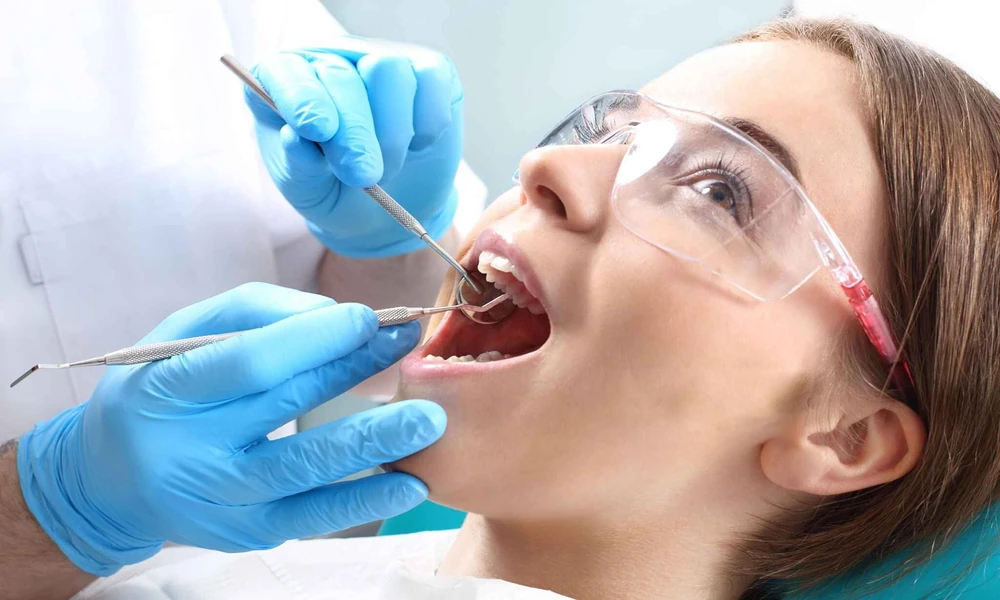
Your child lost a baby tooth sooner than expected, and now you are hearing new terms during a dental visit that were not on your radar last week. That can feel like a lot. One minute it is a loose tooth or a playground fall, and the next you are trying to decide whether your child needs a device to hold space for an adult tooth that is not ready to come in yet. If you are searching for an Emergency Pediatric Dentist San Fernando CA, you may also be learning about treatment options to protect your child’s developing smile.
That is where a space maintainer comes in. When a baby tooth is lost too early, nearby teeth can drift into the empty spot. That can block the permanent tooth or change how the bite develops. A pediatric dentist looks at timing, growth, and your child’s habits before recommending anything. The goal is simple. Protect the space now so bigger problems do not build later.
Early tooth loss can change more than one tooth
Early tooth loss sounds minor until you picture what can happen over the next several months. Teeth move. They do not wait politely for the permanent tooth to arrive. If your child loses a back baby tooth early because of decay, infection, or injury, the teeth next to that space may start leaning in. Then the adult tooth may not have enough room to erupt where it should.
That can lead to crowding, a crooked eruption path, or later orthodontic treatment that becomes more involved than it needed to be. The American Academy of Pediatric Dentistry guidance on developing dentition explains why timing and space management matter during growth. A small gap today can affect the way the whole arch develops.
This is why many parents ask about a child tooth spacer after an early loss. You are not overreacting by asking. You are trying to prevent the problem that comes after the problem.
The right questions help you decide if a space maintainer is needed
The first question is whether your child actually needs one. Not every lost baby tooth requires treatment. If the permanent tooth is close to erupting, or if the tooth lost was in a spot less likely to create shifting, your pediatric dentist may recommend watching instead of placing an appliance.
The second question is how long the space needs to be held. That depends on your child’s age, which tooth was lost, and where the adult tooth is developing under the gums. An X ray often helps answer this. If the permanent tooth is years away, holding space becomes more urgent.
The third question is what type of appliance fits your child’s situation. Some space maintainers are fixed in place and attached to a tooth. Others are removable, though removable options require a child who can handle them responsibly. If your child already struggles with retainers, mouthguards, or routine brushing, that matters.
The fourth question is how it will affect daily life. Parents usually want to know if their child can eat normally, speak clearly, and keep up with school and sports. Most children adjust quickly, but sticky candy, hard foods, and poor brushing can create problems. A space maintainer after early tooth loss only works if it stays clean and in place.
The fifth question is what warning signs to watch for. If the appliance feels loose, rubs the gums, traps food, or breaks, it needs attention. Waiting can turn a minor repair into a lost appliance or a shifted tooth.
The sixth question is what happens if you do nothing. Sometimes the answer is that nothing serious will happen. Other times the space may close enough to create crowding, impaction, or a bite issue. That is the question that usually brings the decision into focus.
A pediatric dentist weighs benefits against the day to day tradeoffs
Parents often hope for a simple yes or no. Real life is more specific than that. A fixed appliance may be the better choice for a younger child because it does not rely on memory or cooperation, but it can collect plaque if brushing slips. A removable one may be easier to clean, but only if it is worn as directed and not lost in a lunch tray.
Cost matters too. Preventive treatment now may reduce the chance of more involved orthodontic care later, though no dentist should promise that a single appliance will solve every future alignment issue. Your child’s growth pattern, oral habits, and overall dental health still shape the outcome.
If you want a plain language overview, MouthHealthy’s page on space maintainers gives a helpful summary of how these appliances are used and why they are sometimes recommended after baby teeth are lost too soon.
Common space maintainer concerns compared side by side
| Question | If a space maintainer is used | If the space is left alone |
|---|---|---|
| Will nearby teeth shift? | Less likely when the appliance fits well and is monitored | More likely, especially after early loss of a back baby tooth |
| Is cleaning harder? | Yes, brushing and flossing may need extra attention | No appliance to clean, but the empty space still needs monitoring |
| Will my child need follow up visits? | Yes, regular checks are needed for fit, hygiene, and eruption timing | Yes, the space still needs to be checked for drifting or blocked eruption |
| Can this reduce later crowding risk? | Often yes, when the main issue is loss of space after early tooth loss | Less likely, since drifting can narrow the opening for the adult tooth |
Three steps you can take right away
Ask for timing, not just treatment. Find out when the permanent tooth is expected to erupt and how much room it has now. A recommendation makes more sense when you know the timeline.
Ask what type of appliance fits your child’s habits. If your child tends to chew on objects, forget removable items, or resists brushing, say that out loud. The best space maintainer for kids is the one your child can realistically live with.
Ask what changes should trigger a call. Get clear instructions about looseness, gum irritation, pain, trouble eating, or a device that breaks. You should not have to guess whether something is normal.
Clear answers make the decision easier
You do not need to become an expert in growth and eruption patterns overnight. You just need the right questions and a dentist who answers them clearly. Early baby tooth loss can be a small detour or the start of a spacing problem, and the difference often comes down to timing, follow up, and the right pediatric dentist recommendation.
If your child has lost a tooth early and you are unsure what comes next, schedule a dental visit and ask these six questions. A careful exam can tell you whether protecting that space now will save your child trouble later.