
Key Highlights
- A deviated septum in children can be congenital or caused by a minor nasal injury.
- Chronic mouth breathing due to a blocked nose can lead to dental and facial development issues.
- A paediatric ENT in Singapore can identify if a crooked septum is the cause of poor sleep quality.
- Deviated nasal septum treatment for children focuses on improving airflow while respecting growth.
Introduction
When a child struggles to breathe through their nose, parents often assume it is a cold, a common allergy, or perhaps enlarged tonsils. While these are frequent causes, another significant but often overlooked factor is a deviated nasal septum. The septum is the thin wall of cartilage and bone that separates the two nostrils. If this wall is crooked or off-centre, it can restrict airflow in one or both nasal passages. For young children, who are still developing rapidly, this lack of clear nasal breathing can have a ripple effect on their sleep, their energy levels, and even their long-term facial structure. Consulting a paediatric ENT in Singapore is essential to determine if a structural issue is at the heart of a child’s respiratory struggles. This article explores the impact of a deviated septum and the modern approaches to managing it in younger patients.
Causes and Symptoms in Children
A deviated septum in a child can happen in two ways. Some children are born with it due to the positioning of the fetus or the pressure during birth. In other cases, it is the result of a childhood injury-even a minor bump to the nose during play or sports can shift the developing cartilage. The symptoms can be subtle. You might notice your child always sleeps on one side, or they might suffer from frequent nosebleeds because the crooked septum makes the nasal lining drier and more prone to cracking. Another common sign is a “noisy” breather; if you can hear your child breathing through their nose even when they aren’t exerting themselves, it suggests the air is struggling to pass through a narrowed opening.
The Sleep and Growth Connection
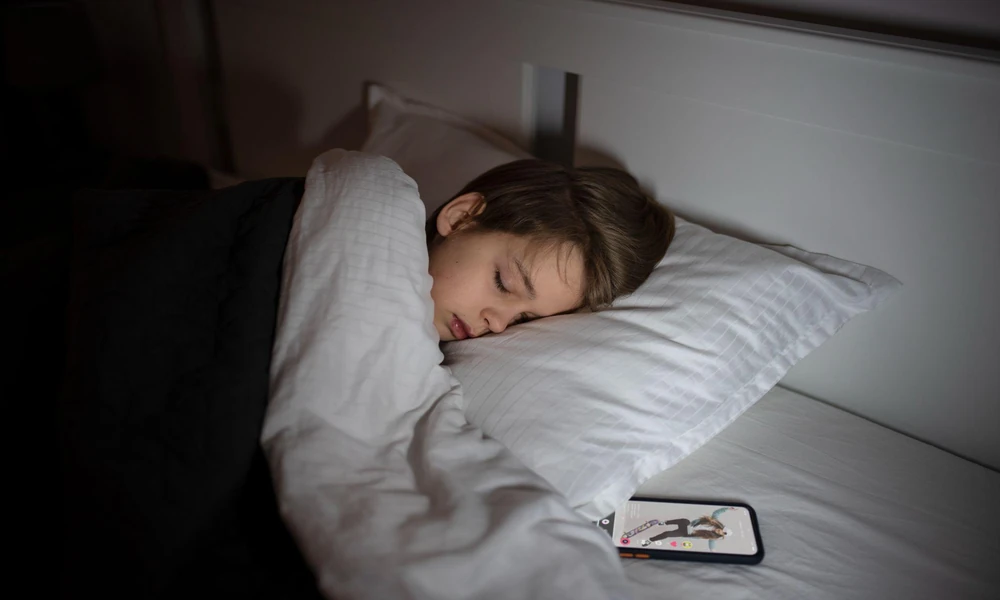
One of the most concerning impacts of a deviated septum is its effect on sleep. If a child cannot breathe through their nose, they naturally resort to mouth breathing. Mouth breathing during sleep is far less restorative than nasal breathing. It often leads to snoring and, in some cases, paediatric obstructive sleep apnea. When a child’s sleep is interrupted by poor breathing, they may experience daytime irritability, a lack of focus in school, and slowed growth. Furthermore, chronic mouth breathing in a growing child can lead to “adenoid face”-a narrowing of the upper jaw and a change in the alignment of the teeth. A paediatric ENT in Singapore will look for these physical markers to assess how significantly the septum is affecting the child’s overall development.
Diagnostic Challenges and Specialist Care
Diagnosing a deviated septum in a child requires a delicate touch and specialised equipment. A paediatric ENT in Singapore uses small, flexible endoscopes designed for tiny nasal passages to get a clear view of the internal structures. It is important to distinguish between a crooked septum and other common issues like enlarged turbinates or nasal polyps, which can present with similar symptoms. The specialist also evaluates the adenoids at the back of the nose. Often, a child might have both a deviated septum and enlarged adenoids, creating a “double blockage” that makes nasal breathing nearly impossible. This comprehensive assessment ensures that the treatment plan addresses all the factors contributing to the child’s breathing difficulties.
Deviated Nasal Septum Treatment Options
When it comes to deviated nasal septum treatment for children, the approach is usually more conservative than for adults. Because a child’s nose and midface are still growing, surgeons are often cautious about performing a full septoplasty (surgery to straighten the septum) until the child is closer to their teenage years. Initial management often involves nasal steroid sprays to reduce any swelling in the surrounding tissues, which can make the existing space more functional. However, if the deviation is severe and causing significant sleep apnea or affecting the child’s health, a modified, growth-sparing septoplasty may be considered. The goal is always to balance the need for immediate breathing relief with the long-term structural integrity of the growing nose.
Conclusion
A deviated nasal septum is more than just a crooked nose; it is a functional issue that can hinder a child’s ability to rest and grow properly. Recognising the signs of structural nasal blockage early can prevent a host of secondary issues, from dental problems to chronic sleep deprivation. By working with a paediatric ENT in Singapore, parents can ensure their child receives a thorough evaluation and a treatment plan tailored to their developmental stage. Whether through medical management or carefully timed deviated nasal septum treatment, restoring clear nasal breathing is one of the gifts you can give to a developing child, ensuring they have the energy and health to thrive.
Is your child struggling with noisy breathing or poor sleep? Contact Dr. Leslie Koh today to schedule a paediatric consultation.