
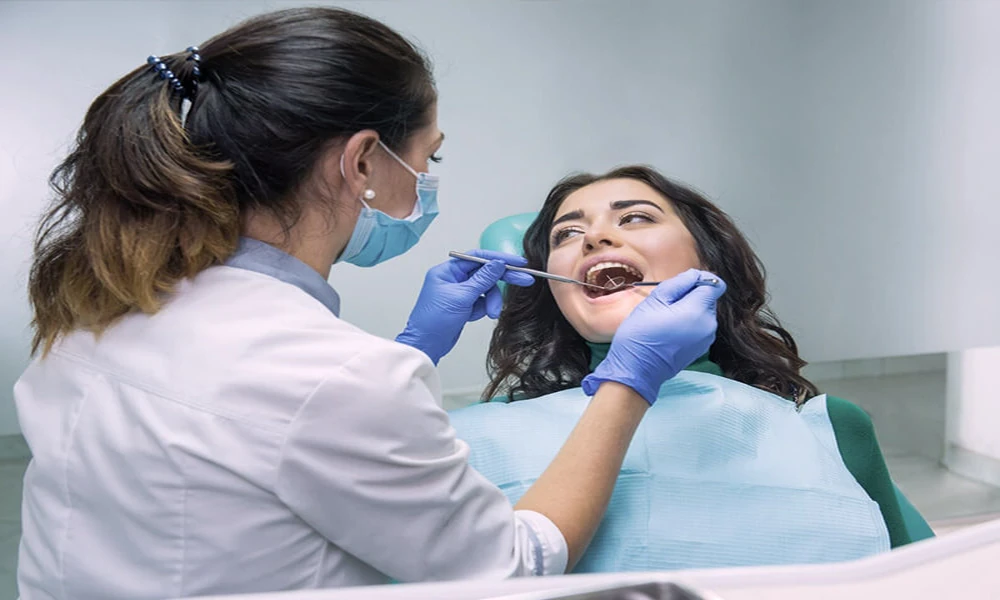
You may already be doing the math in your head. Dental implants are a real investment, and if you have been told you also need gum treatment first, it can feel like one more hurdle, one more bill, and one more reason to worry that something is wrong. That reaction makes sense. Most people do not think about their gums until bleeding, swelling, loose teeth, or a failed dental plan forces the issue. A periodontist Long Island patients trust can help explain why gum treatment may be necessary before moving forward.
The core problem is simple. Implants need healthy bone and healthy gum tissue to stay stable. If gum disease is active, bacteria and inflammation can damage the tissue around an implant the same way they damage tissue around natural teeth. Good periodontal care lowers that risk before the implant is placed and protects the result long after healing. That is why a periodontist and implant dentist often looks at your gums first, not last.
Gum health shapes implant success from the start
An implant is not just a replacement tooth. It is a titanium post that integrates with your bone and depends on the surrounding tissue for support. When gums are inflamed, pockets form around teeth, bacteria collect below the surface, and bone loss can begin quietly. According to the National Institute of Dental and Craniofacial Research on gum disease, periodontal disease is an infection and inflammatory condition that can damage the gums and bone that hold teeth in place.
If that disease is present when an implant is placed, the risks rise. Healing may be slower. The gum seal around the implant may be weaker. Bone support may already be reduced. You can end up with peri implant mucositis, which is inflammation in the tissue around the implant, or peri implantitis, which includes bone loss and can threaten the implant itself.
This is where periodontal treatment for dental implants changes the outcome. Deep cleaning, pocket reduction when needed, home care coaching, and regular maintenance reduce the bacterial load and calm inflammation. That makes the implant site more predictable and gives the bone and gums a better chance to support the restoration for years.
Unchecked periodontal disease creates expensive implant complications
You might be thinking, if the implant replaces the tooth, why does the old gum problem matter so much? Because the bacteria do not disappear when the tooth does. If the mouth still has active periodontal disease, the new implant enters the same environment that harmed the natural teeth.
The financial side hits hard too. Treating gum disease before implant placement is often far less costly than managing infection, bone loss, or implant failure later. A delay for periodontal therapy can feel frustrating. Replacing a failed implant is worse. It may involve removing the implant, grafting bone, waiting months to heal, and starting over.
The public health data supports taking gum disease seriously. The CDC overview of periodontal disease notes that severe gum disease is a major cause of tooth loss in adults. That matters in implant planning because tooth loss caused by gum disease often comes with the same bone and tissue damage that makes implant treatment more complex.
Periodontal maintenance protects implants after placement
Getting the implant placed is not the finish line. It is the start of a maintenance relationship. Implants do not decay, but the tissue around them can still become infected. Patients with a history of periodontitis need closer follow up because their mouths have already shown a tendency toward destructive inflammation.
Research continues to show that supportive periodontal care improves long term outcomes. A review available through PubMed Central on periodontal maintenance and implant health describes how ongoing maintenance helps reduce complications and supports implant survival, especially in patients with previous periodontal disease.
That is why gum care in implant dentistry includes more than brushing twice a day. It means professional cleanings at the right interval, checking pocket depths, monitoring bleeding, reviewing bite forces, and correcting small issues before they become expensive ones.
Comparing implant outcomes with and without periodontal care
| Factor | With periodontal care | Without periodontal care |
|---|---|---|
| Inflammation before implant placement | Reduced through treatment and maintenance | Often remains active and harder to control |
| Bone support | Better preserved and monitored | Higher risk of unnoticed bone loss |
| Healing after surgery | More predictable tissue response | Greater chance of delayed healing or infection |
| Risk of peri implant disease | Lower with routine follow up and hygiene | Higher when plaque and inflammation build up |
| Long term cost | More preventive spending, fewer major repairs | Higher chance of retreatment, grafting, or replacement |
Three steps you can take right away
Schedule a periodontal evaluation before implant treatment. If you have bleeding gums, bad breath, gum recession, loose teeth, or a history of deep cleanings, ask for a full periodontal exam before moving ahead. This step often reveals issues that standard exams miss.
Get active gum disease under control first. If your provider recommends scaling and root planing, localized antibiotics, or another gum therapy, treat that as part of the implant plan, not a side issue. Healthy tissue is what gives the implant a stable home.
Commit to maintenance after the implant is placed. Keep your recall visits, use the cleaning tools your provider recommends, and do not ignore minor bleeding around the implant. Small signs often come before bigger problems.
Healthy gums give implant dentistry a stronger foundation
If you are feeling discouraged by one more step in the process, that feeling is real. Still, this is the step that protects everything that comes after it. Careful periodontal treatment lowers the risk of infection, bone loss, delayed healing, and implant failure. It gives your restoration a better chance to last and saves you from preventable setbacks.
If you are considering implants, ask for an evaluation that includes both the gums and the bone, and make sure your treatment plan includes ongoing periodontal maintenance. The right implant dentist approach starts with the tissue that holds everything together.