
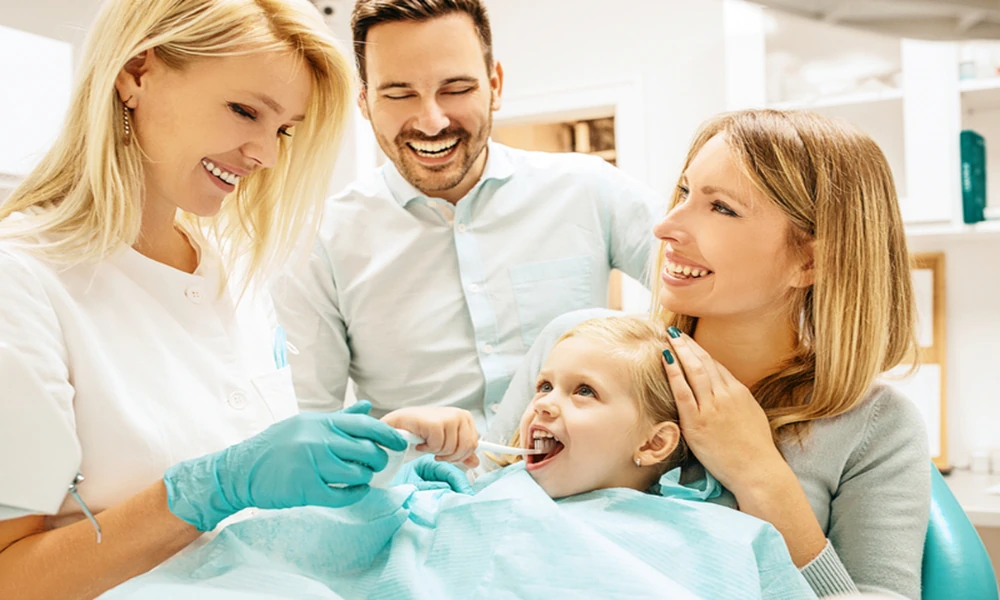
You might be trying to keep up with a lot at once. Maybe one child needs a cleaning, another needs sealants, you have been putting off a chipped tooth, and someone in the family always seems due for an exam. When dental care gets split into separate needs, separate offices, and separate priorities, it can start to feel harder than it should. That stress is real, especially when you want healthy smiles and a care plan from a trusted Kinnelon dentist that also helps everyone feel good about how they look.
That is why many people look for a family and cosmetic dentist who can bring routine care, prevention, and appearance goals together. The short version is simple. Blending these services can save time, support better long term oral health, catch problems early, improve confidence, create more consistent care for every age, and help you make smarter choices about treatment over time.
Why does combining family, preventive, and cosmetic dental care make life easier?
When dental care is handled in one connected approach, you stop treating each visit like a separate event. A child’s cleaning, a parent’s gum check, and an adult’s whitening consultation can all fit into the same picture. That matters because oral health is rarely just about one problem. A stained tooth may also have worn enamel. Crooked teeth may be harder to clean well. A teen who feels self conscious about their smile may avoid smiling in photos, even if their teeth are otherwise healthy.
So, what changes when care is blended? First, your dentist can look at the full story, not just the surface issue. Family care builds familiarity. Preventive care lowers the chance of bigger problems. Cosmetic care helps restore confidence and function when appearance concerns are tied to wear, damage, or uneven teeth. Instead of bouncing between priorities, you get one plan that makes sense.
This approach also helps with timing. What if you want to improve your smile, but you also have early gum irritation? In many cases, prevention comes first, then cosmetic options follow. That sequence protects your results. According to the CDC’s oral health tips for adults, daily care and regular dental visits play a key role in preventing disease and tooth loss. In other words, cosmetic goals tend to last longer when the health side is stable.
What are the six real benefits of a blended dental approach?
1. You save time and mental energy. Scheduling one office for different needs often means fewer calls, fewer records to transfer, and fewer disruptions to your week.
2. Problems are caught earlier. Regular exams and cleanings can reveal cavities, gum concerns, enamel wear, or bite issues before they become expensive or painful.
3. Cosmetic treatment becomes more thoughtful. Whitening, bonding, or veneers are usually better planned when your dentist already knows your oral health history and habits.
4. Children and adults build better habits. When the whole household treats dental care as routine, not emergency care, consistency tends to improve.
5. Confidence and health support each other. If you like how your smile looks, you may be more motivated to protect it. That can mean better brushing, flossing, and follow up visits. The National Institute of Dental and Craniofacial Research offers simple oral hygiene guidance that supports this kind of daily consistency.
6. Treatment decisions often become more cost aware. Preventing damage is usually less costly than repairing it later. A small chip fixed early may avoid more serious wear. A night guard may protect cosmetic work and natural teeth at the same time.
How does a preventive and cosmetic dentist compare to a piecemeal approach?
If you have ever handled one issue at a time, only to find out another concern was connected, you are not alone. It is common to think of cleanings, fillings, whitening, and smile repairs as separate categories. But your mouth does not work that way. Health, function, and appearance affect each other every day.
| Approach | What it often looks like | Likely result over time |
|---|---|---|
| Separate, issue by issue care | You book visits only when something hurts or when a cosmetic concern becomes frustrating | More surprises, less continuity, and a higher chance of delayed treatment |
| Preventive and cosmetic dentist approach | You follow a plan that includes exams, cleanings, monitoring, and appearance goals in the right order | Earlier intervention, more durable results, and care that feels more organized |
| Family based dental care | Children, teens, adults, and older family members receive age appropriate care from one team | Better habit building, easier scheduling, and stronger trust with the dental office |
Need help deciding what kind of practice fits your household? The American Dental Association’s MouthHealthy site explains how to choose a dentist in a way that can make the decision feel less overwhelming.
What can you do right now to get the benefits of family dental care and smile treatment?
1. Start with a full picture.
Book exams and cleanings first, especially if it has been a while. Before talking about whitening or other smile changes, make sure cavities, gum health, and bite concerns are checked. That gives you a safer starting point.
2. Ask for a phased plan.
If your family has different needs, ask the office to map out what should happen now, what can wait, and what cosmetic options make sense after preventive care. This can reduce pressure and help you budget more clearly.
3. Build one simple home routine.
Keep it realistic. Brush twice a day with fluoride toothpaste, floss daily, and replace worn toothbrushes. If one family member is getting cosmetic work, talk about habits that protect that investment, like limiting stain causing drinks or wearing a night guard if grinding is an issue.
Where does that leave you if you want healthier teeth and a smile you feel good about?
You do not have to choose between health and appearance, and you do not have to manage every dental need in isolation. A blended approach through a family dentist who also offers cosmetic care can make the process feel calmer, more efficient, and more personal. When preventive visits, family care, and smile goals work together, you are more likely to protect your teeth, catch issues early, and feel better every time you smile.
If you have been waiting for dental care to feel more manageable, this may be the right time to take the first step and ask about a care plan that fits your whole household.