
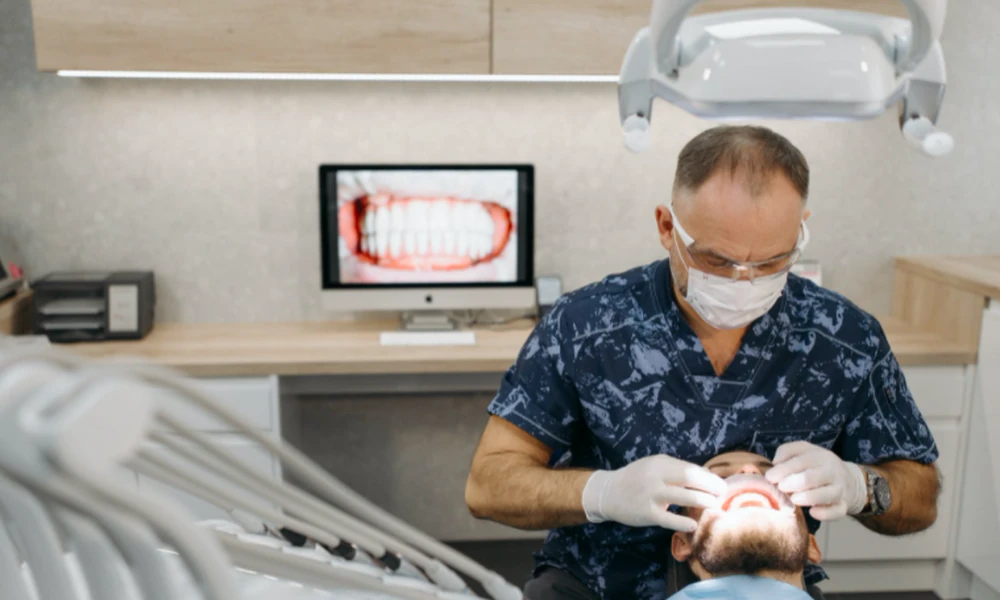
You might be putting off dental visits because life is full, money feels tight, or the idea of sitting in a chair while someone examines your teeth makes you tense before you even arrive. That is more common than people admit. Still, when you have one trusted provider, such as Kifer Park Dental in Sunnyvale, CA, who knows your history, your habits, and the small changes in your mouth over time, dental care often feels less confusing and far more manageable. The short version is simple. A dedicated general dentist can help you catch problems early, save money over time, make visits less stressful, support your overall health, keep your records consistent, and give you care that actually fits your life.
If you have ever bounced from office to office, you already know how easy it is for details to get missed. One provider recommends a watch and wait approach, another suggests treatment right away, and you are left wondering what is truly necessary. Because of that tension, having one regular dentist can bring a sense of steadiness that is hard to replace.
Why does having a regular general dentist make dental care feel easier?
When you see the same provider over time, you are not starting from zero at every appointment. Your dentist gets to know your bite, your gums, your past fillings, your X rays, and even the areas where you tend to brush too hard or not floss enough. That familiarity matters. It can turn a rushed appointment into a thoughtful one.
This is one of the clearest benefits of a dedicated dentist. Instead of reacting only when pain shows up, you build a pattern of care that is based on prevention. According to the CDC, everyday habits and routine dental care both play a major role in protecting adult oral health. You can review those oral health tips for adults from the CDC if you want a practical starting point.
And what happens when care is not consistent? Small cavities can grow. Mild gum irritation can turn into bleeding, swelling, and deeper infection. A tooth that could have needed a simple filling may end up needing a crown or root canal. The issue is not only discomfort. It is time, cost, and stress that build when early care is delayed.
What are the 6 benefits of having a dedicated general dentist?
First, you are more likely to catch problems early. A routine dental exam can reveal cavities, gum issues, bite changes, and other concerns before they become painful or expensive.
Second, you often save money over time. Preventive cleanings and exams are usually far less costly than emergency treatment. Waiting tends to raise the bill.
Third, visits can feel less stressful. Familiar faces, a known routine, and a provider who understands your concerns can lower anxiety. If you have had difficult dental visits in the past, that comfort can make a real difference.
Fourth, your oral health supports your whole body. Gum disease is not just about your mouth. It can quietly progress if it is ignored. The NIH recently highlighted why you should not ignore gum disease, especially when early signs seem easy to dismiss.
Fifth, your records stay consistent. X rays, treatment notes, and changes over time all stay in one place. That gives your dentist a clearer view and helps avoid repeated tests or mixed messages.
Sixth, your care becomes more personal. A trusted provider can tailor advice to your habits, age, health history, and goals. That is one reason many people value a primary dental care provider rather than treating dental visits like random errands.
How does a dedicated dentist compare with occasional, as needed care?
Sometimes people only book a visit when something hurts. That makes sense in the moment, especially if you are busy. But pain based care usually means the problem has already grown. So, where does that leave you when you want to make the most practical choice?
| Approach | What It Often Looks Like | Likely Outcome |
| Dedicated general dentist | Regular exams, cleanings, updated records, ongoing advice | Earlier detection, steadier costs, less stress, more personalized care |
| Occasional or emergency only care | Visits only when pain, swelling, or damage appears | More urgent treatment, higher costs, more time off, less continuity |
| Switching offices often | Different opinions, fragmented records, repeated intake | Confusion, missed patterns, weaker long term prevention |
This is where general dentist benefits become practical, not theoretical. If you grind your teeth at night, for example, a provider who sees you regularly may notice wear before you feel major pain. If your gums bleed a little when you brush, that may seem minor, but a familiar dentist can track whether it is improving or getting worse.
What can you do right now to get the most from general dental care?
1. Schedule before something hurts. Do not wait for pain to force the decision. Preventive care usually gives you more options and fewer surprises.
2. Choose one office and stay consistent. Even if your teeth feel fine, seeing the same general dentist helps build a clearer picture of your oral health over time.
3. Bring up the small things. Jaw soreness, bleeding gums, tooth sensitivity, or a filling that feels a little off may sound minor, but those details help your dentist catch issues early.
Could one trusted dentist really change your long term oral health?
In many cases, yes. Not because every visit is dramatic, but because steady care tends to prevent drama in the first place. When you have one provider who knows your history and watches for change, you are less likely to feel lost, rushed, or blindsided by treatment needs.
If you have been meaning to make dental care simpler, this may be the moment to do it. A dedicated general dentist can bring clarity, prevention, and peace of mind to something that too often gets pushed aside. Taking that first step now can make the next year, and the years after that, a lot easier on you and your smile.