
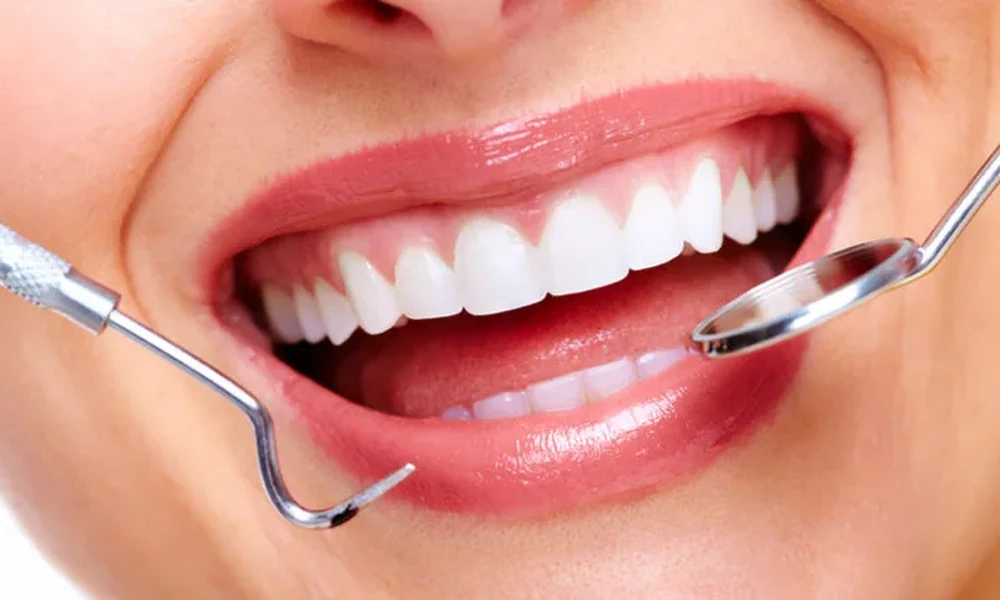
You may not notice it until your jaw feels tired by lunch, your teeth look a little flatter, or a cold drink suddenly stings. Daytime clenching often hides in plain sight, and a Westwood dentist can help identify the signs early. It shows up while you answer email, drive in traffic, lift something heavy, or focus hard on a deadline. Your teeth stay pressed together, your jaw muscles keep working, and the wear adds up even though you are not chewing anything.
That quiet pressure can lead to chipped edges, tooth sensitivity, headaches, and soreness near the jaw joint. It can also feed into TMJ symptoms and make an already stressful day feel worse. The good news is that small changes can reduce the force on your teeth and help protect them. These 6 ways to reduce wear from unconscious daytime clenching focus on awareness, muscle rest, and getting the right support when home strategies are not enough.
Unconscious daytime clenching wears down teeth long before you realize it
Most people think of grinding as a sleep problem. Daytime clenching is different because it often comes from concentration, stress, or habit. Your jaw may tense when you are trying to get through a task, not because anything is wrong with your bite in that moment. The trouble is that teeth are not meant to stay in contact all day. At rest, your lips can be closed while your teeth stay slightly apart.
When that normal rest position disappears, the muscles of your face and jaw never get much of a break. You may start with a dull ache in the temples or a heavy feeling around the cheeks. Then come the small signs people ignore. A rough edge on a front tooth. A filling that feels high. Tightness when you yawn. Those signs matter because repeated force can wear enamel, strain restorations, and irritate the temporomandibular joint. The National Institute of Dental and Craniofacial Research page on bruxism explains how clenching and grinding can damage teeth and stress the jaw.
If you have been searching for how to stop daytime teeth clenching, the goal is not perfection. The goal is to lower how often and how hard you clench, because even a modest drop in pressure can reduce wear over time.
Jaw muscle rest is one of the most effective ways to reduce clenching damage
A simple reset can make a real difference. Keep your tongue resting lightly on the roof of your mouth, right behind your front teeth, and let your teeth separate. Many people need a cue because the habit is automatic. Put a note on your screen, set a quiet phone alert, or pair a check in with routine moments like opening your laptop or stopping at a red light.
This works because clenching is often linked to the body’s stress response. Your shoulders rise, your breathing gets shallow, and your jaw joins in. If you only try to relax the jaw without changing the rest of the pattern, it tends to come back. Slow nasal breathing, dropping your shoulders, and unclenching your hands often helps your mouth follow.
6 ways to reduce wear from unconscious daytime clenching in daily life
1. Keep your teeth apart when you are not eating. This is the baseline habit. Lips together is fine. Teeth together all day is not. A small gap reduces constant tooth to tooth contact.
2. Use reminders during high focus tasks. Clenching often peaks during computer work, driving, exercise, and stressful conversations. Timed reminders can interrupt the pattern before it lasts for hours.
3. Avoid chewing gum and hard snacks. Extra jaw work can keep muscles activated and make clenching easier to slip into. If your jaw already feels overworked, give it softer foods for a few days.
4. Watch your caffeine and stress load. Some people notice more jaw tension after several coffees or energy drinks. The same goes for long stretches without breaks. Short pauses can lower muscle tension before it turns into pain.
5. Use heat and gentle stretching if your muscles feel tight. A warm compress over the jaw for 10 to 15 minutes can calm sore muscles. Gentle opening and closing, done without forcing, may help ease tension.
6. Get a dental exam if you see wear, chips, or soreness. A general dentist can look for flattening, cracks, bite strain, and signs of TMJ stress. Early care is usually simpler than waiting until a tooth breaks or the joint becomes more painful.
Home strategies help, but a general dentist can catch damage early
Self awareness is useful, but it does not replace an exam when damage is already happening. A small chip may seem minor until it exposes a weak edge. Sensitivity may seem random until worn enamel is the reason. If your jaw clicks, locks, or hurts near the ear, that points to joint involvement, not just muscle fatigue. The NIDCR resource on TMD outlines common signs tied to jaw joint disorders.
Sometimes people buy a boil and bite guard online and assume the problem is handled. That can help in some cases, especially at night, but daytime clenching usually needs behavior changes too. If a guard fits poorly or changes how your teeth meet, it may add new problems. The better path is to use home steps to reduce tension and get professional guidance if symptoms continue. This is often the most practical form of clenching prevention tips because it protects your teeth and helps you avoid more involved treatment later.
Comparing self care and professional support for daytime clenching
| Approach | What it helps with | Limits |
|---|---|---|
| Awareness reminders | Reduces unconscious jaw tightening during work, driving, and stress | Easy to forget without consistent cues |
| Jaw rest position | Lowers tooth contact and muscle load during the day | Takes practice before it becomes automatic |
| Warm compress and soft diet | Calms sore muscles and gives the jaw a short recovery period | Does not fix tooth wear already present |
| Over the counter night guard | May reduce some wear from nighttime grinding | May not address daytime clenching or fit well |
| Dental exam with a general dentist | Checks for enamel wear, cracks, bite issues, and joint stress | Requires scheduling, but can prevent larger problems |
If your symptoms include headaches, jaw tenderness, or changes in how your teeth meet, the MedlinePlus overview of teeth grinding is a helpful summary of causes, symptoms, and treatment options.
Three steps you can take today to protect your teeth
Set three clench checks. Pick morning, midday, and late afternoon. When the reminder goes off, relax your shoulders, place your tongue behind your front teeth, and let your teeth separate.
Change one trigger. If you always clench while answering email, put a small note on your monitor that says “jaw loose.” If driving is the trigger, use red lights as your cue to release tension.
Book an exam if you notice wear or pain. Waiting often means more enamel loss, more sensitivity, and more chance of a cracked tooth. A general dentist can tell whether the issue is mild muscle tension or something that needs treatment.
You are not overreacting if your jaw feels tired or your teeth seem different. Small daily pressure can do real damage, and catching it early gives you more options. If you are seeing signs of wear from unconscious daytime clenching, take the first step now and schedule a visit with a general dentist.