
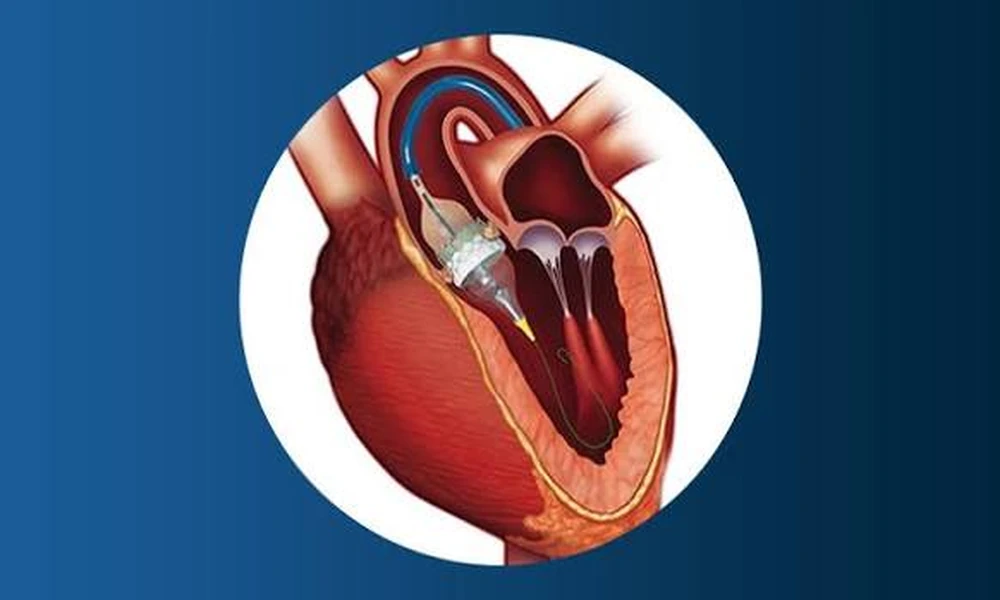
Being advised to undergo TAVI can bring relief because a treatment option is available, but it can also create a long list of questions. Patients and families often focus first on the procedure itself: how long it takes, whether the chest is opened and when the patient can go home. Those questions matter, but a good discussion should begin earlier.
Before undergoing TAVI in Mumbai, patients should understand why valve replacement is needed, why TAVI is being recommended instead of surgery, how the procedure will be planned and what the longer-term treatment pathway may look like.
The following questions can help make a consultation more useful and ensure that important decisions are explained clearly.
1. How Severe Is My Aortic Stenosis?
Ask the doctor to explain the echocardiogram rather than simply saying that the valve is “tight.” Useful information includes valve area, pressure gradients, blood-flow velocity and whether the heart’s pumping function has been affected.
It is also important to connect the scan findings with symptoms. Breathlessness, chest discomfort, dizziness, fainting, fatigue or declining exercise ability may indicate that the disease is having a significant clinical impact.
Understanding the severity of the condition makes the reason for intervention easier to understand.
2. Why Are You Recommending TAVI for Me?
TAVI is not selected only because it is less invasive. Ask which aspects of your age, health, anatomy, previous treatment and surgical risk make the transcatheter approach suitable.
It is equally reasonable to ask whether surgical valve replacement remains an option and what advantages or disadvantages surgery might offer in your case.
A good Heart Team recommendation should be based on the individual patient rather than a general preference for one procedure.
3. What Tests Do I Need Before the Procedure?
A detailed pre-operative workup for TAVI usually includes echocardiography, CT imaging, blood tests, ECG and assessment of the coronary arteries. Additional investigations may be needed depending on the patient’s medical history.
Ask what each test is looking for. CT imaging, for example, helps determine valve size, coronary position, calcium distribution and whether the femoral arteries are suitable for catheter access.
Knowing the purpose of the tests helps patients understand why treatment cannot be planned safely from one scan alone.
4. Which Access Route Will You Use?
Most TAVI procedures are performed through the femoral artery in the groin. However, some patients have small, narrowed or heavily calcified arteries that make this route more difficult.
Ask whether transfemoral access is expected and whether the CT scan has identified any vascular concerns. If another access route is being considered, ask why and how that may affect recovery or risk.
5. Which Valve Will Be Used and Why?
Several transcatheter valve designs are available. The choice depends on the size and shape of the aortic annulus, calcium pattern, coronary anatomy and other technical factors.
Patients do not need to become device experts, but they should feel comfortable asking why a particular valve is being recommended and how the decision was made.
6. What Are My Personal Risks?
Generic complication lists are useful, but personal risk is more important. Ask how likely bleeding, stroke, kidney injury, vascular complications, leakage around the valve or the need for a pacemaker may be in your particular situation.
The doctor should also explain what steps are taken to reduce these risks and how the team would respond if a complication occurred.
7. Who Is Part of the Heart Team?
TAVI care should involve more than the procedural cardiologist. Ask whether cardiac surgeons, imaging specialists, anaesthesia teams and other relevant clinicians have reviewed the case.
A multidisciplinary approach is especially important when both surgery and transcatheter treatment are technically possible. It helps ensure that the recommendation reflects the full range of treatment options.
8. What Will Happen on the Day of TAVI?
Ask about admission time, fasting instructions, anaesthesia, the expected procedure duration and where the patient will recover afterward. It is also useful for family members to know when updates will be provided.
Understanding the sequence reduces uncertainty and helps patients prepare practically for the day.
9. How Long Will Recovery Take?
Recovery varies according to age, health and whether the procedure is uncomplicated. Ask when walking usually begins, how long hospital observation is expected and what activities should be avoided after discharge.
A clear guide to TAVI recovery should cover wound care, medicines, exercise, driving, travel and the timing of follow-up appointments.
10. What Medicines Will Change After TAVI?
Some medicines may need to be adjusted before the procedure, including certain blood thinners or diabetes medications. After TAVI, the antithrombotic plan depends on the patient’s other conditions and treatment history.
Never stop medication based on general online advice. Ask for specific written instructions from the treating team.
11. What Symptoms Should Trigger an Urgent Call?
Before leaving hospital, patients should know which symptoms require immediate attention. These may include new breathlessness, chest pain, fainting, neurological symptoms, significant bleeding, fever or increasing swelling and pain at the access site.
Knowing whom to contact is just as important as knowing what to watch for.
12. What Is the Long-Term Plan?
TAVI should be considered part of a lifetime valve strategy. Ask how often echocardiography will be required, how the valve will be monitored and what future treatment options may exist if the prosthetic valve eventually deteriorates.
This question is particularly important for younger patients, who may need another valve intervention later in life.
The Bottom Line
A TAVI consultation should leave patients with more than a procedure date. It should provide a clear understanding of the diagnosis, why TAVI is appropriate, how the valve will be selected, what risks apply and what recovery and long-term follow-up will involve.
The best discussions are collaborative: the medical team brings technical expertise, while the patient brings personal goals, concerns and preferences. When both are part of the decision, patients can approach TAVI with greater clarity and realistic expectations.