
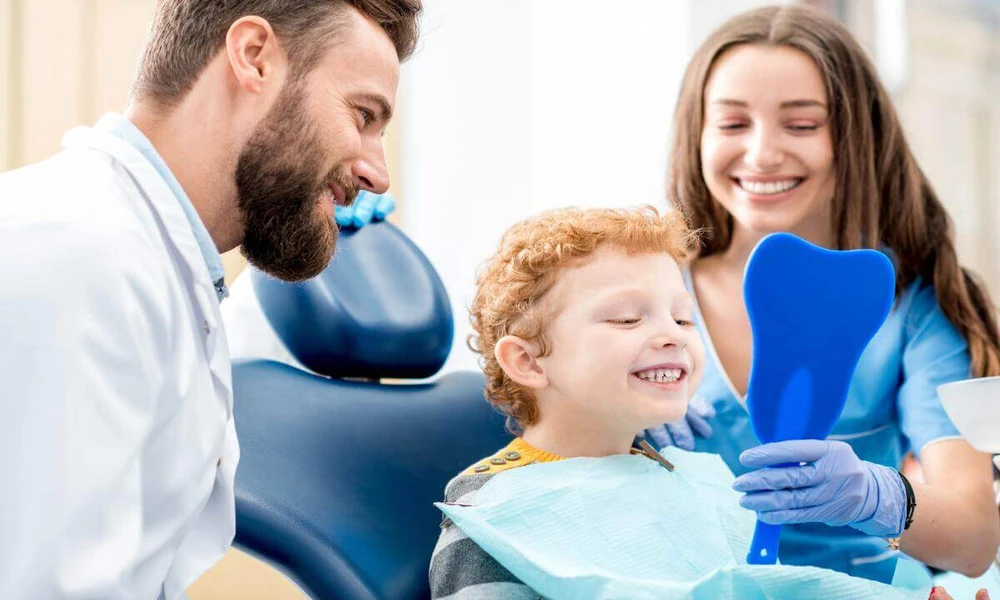
You are not just trying to book cleanings. You are trying to keep track of school schedules, sports, work, picky brushing habits, anxiety about dental visits, and that one child who says nothing hurts until bedtime. Dental care gets pushed around because family life is crowded, and when one person falls behind, the whole routine starts to slip. For families also exploring dental implants in El Cajon, staying consistent with care can matter even more.
That is where the real value of personalized care shows up. A family dentist who knows your household patterns, health history, and concerns can spot problems earlier, tailor advice to each age, and make visits feel less stressful. Why personalized care improves family dental outcomes comes down to something simple. Care works better when it fits the people receiving it.
Personalized family dental care reduces missed problems and mixed messages
Generic advice sounds fine until it meets real life. A toddler who still resists brushing does not need the same plan as a teen with braces, and a parent with gum sensitivity may need a different cleaning schedule than everyone else in the house. When every person gets the same script, small issues get overlooked.
This is one reason customized dental care for families leads to better results over time. A dentist who follows your family across years can notice patterns. Maybe cavities keep showing up after sports season because water gets replaced with sugary drinks. Maybe one child has deep grooves in the molars and needs closer monitoring. Maybe a parent avoids appointments because of past pain and only comes in when the problem is expensive.
Those details matter. They shape prevention, timing, and trust. The National Institute of Dental and Craniofacial Research reports that dental visits are increasing with support for pediatric providers, which reflects a broader push toward earlier and more consistent care for children. More access helps, but access alone is not enough if the care stays one size fits all.
Better family dental outcomes start with prevention that fits daily life
You have probably heard the standard reminders. Brush twice a day. Floss. Limit sugar. Those basics are true, but families do not struggle because they have never heard them. They struggle because habits break down in ordinary ways. Bedtime gets rushed. A child gags when floss picks come out. A teen drinks energy drinks and says it is not a big deal. Prevention fails when advice is technically correct but hard to use.
A good family dentist adjusts the plan instead of blaming the patient. That might mean showing a parent how much toothpaste a young child actually needs, talking through sealants for cavity prone molars, or creating shorter recall visits for someone who tends to get plaque buildup fast. The CDC shares practical oral health tips for children that support these basics, including fluoride use, healthy drink choices, and regular checkups. The difference with personalized care is that those tips get turned into a routine your family can keep.
This is also where a family dentist helps lower stress. Familiarity makes children less fearful, gives parents a clearer picture of what is normal, and makes it easier to ask the small questions before they become larger problems.
Personalized dental care often lowers long term costs
Most families do not worry about one visit. They worry about the chain reaction. A skipped cleaning turns into a filling. A filling becomes a crown. A child with untreated decay misses school, stops eating comfortably, or needs urgent treatment at the worst possible time. Dental costs rise fast when care starts late.
Personalized care helps because it is proactive. Regular exams, risk based scheduling, and age specific guidance catch issues when they are easier to treat. A routine dental exam can reveal plaque buildup, gum changes, bite concerns, or early decay before symptoms force an emergency visit.
| Approach | What It Looks Like | Likely Result |
|---|---|---|
| Generic, occasional care | Infrequent visits, broad advice, same routine for every family member | More missed issues, uneven habits, higher chance of urgent treatment |
| Personalized family dental care | Age specific guidance, history based monitoring, tailored prevention plans | Earlier detection, better cooperation, lower long term treatment costs |
| Problem driven care only | Appointments made only when pain or damage appears | More stress, more invasive treatment, more disruption to school and work |
The best part is not just financial. It is the relief of not always feeling behind.
Stronger relationships improve care for children, teens, and parents
Trust changes behavior. Children who know the office are more likely to cooperate. Teens who feel respected are more likely to admit they are skipping retainers or drinking too much soda. Adults who feel heard are more likely to come in before pain gets severe.
This is why many families do better with a dentist who treats the household as a connected unit rather than a stack of separate appointments. Advice becomes more consistent, records stay in one place, and patterns become easier to catch. If a parent has gum disease risk, that may shape how the dentist talks about prevention at home. If one child has sensory issues, scheduling and communication can be adjusted instead of forcing a bad experience.
Personalized dental care improves oral health because it respects that health is personal, but family habits are shared.
Three steps you can take right away
1. List each family member’s real challenges. Skip the ideal version. Write down what actually gets in the way, whether that is fear, crowded mornings, braces care, sugar habits, or skipped flossing. This gives your dentist something useful to work with.
2. Ask for a care plan that changes by age and risk. One family can need three different prevention strategies. Ask what each person needs now, what to watch for next, and how often visits should happen based on history rather than guesswork.
3. Build one home routine you can repeat. Keep it simple enough to survive busy nights. The goal is consistency, not perfection. A routine your family can maintain beats a perfect plan no one follows after week two.
Personalized family dental care supports healthier routines for the long run
You do not need a flawless system. You need care that matches your family as it is right now. That is why personalized care improves family dental outcomes. It catches more, prevents more, costs less over time, and makes dental visits feel manageable instead of disruptive.
If your family is overdue, anxious, or tired of reacting to problems, a family dentist who offers personalized care can help you reset with a plan that fits real life.